Fallout Stories in a Time of Cruel Heat
The story of a Japanese fishing vessel exposed to radiation made the threat of nuclear contamination feel personal for Americans in 1954. Can we learn a lesson from it today?
Flooding the Zone with Great Ideas

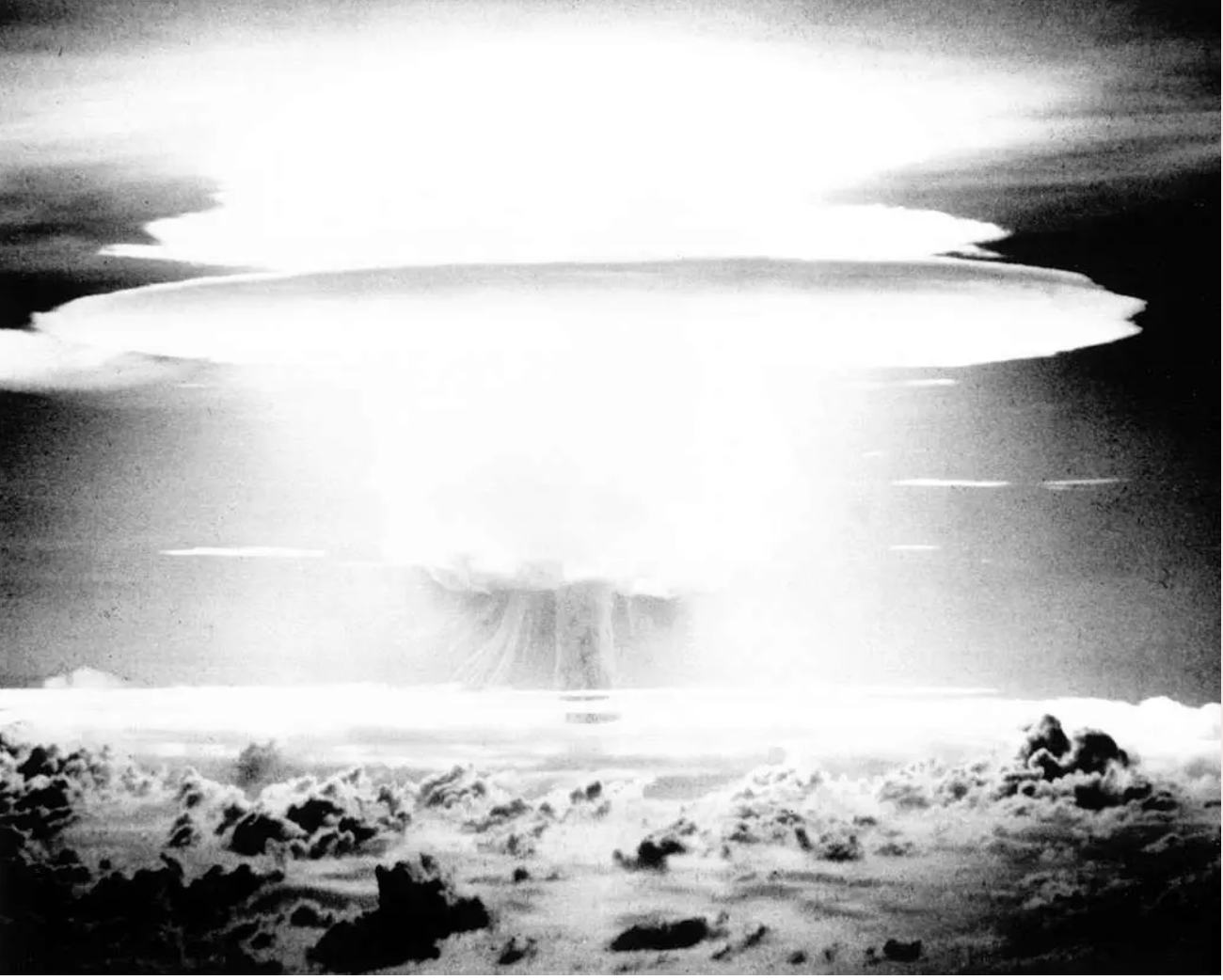
The story of a Japanese fishing vessel exposed to radiation made the threat of nuclear contamination feel personal for Americans in 1954. Can we learn a lesson from it today?

Economies that prioritize electricity abundance will win the race for economic growth.
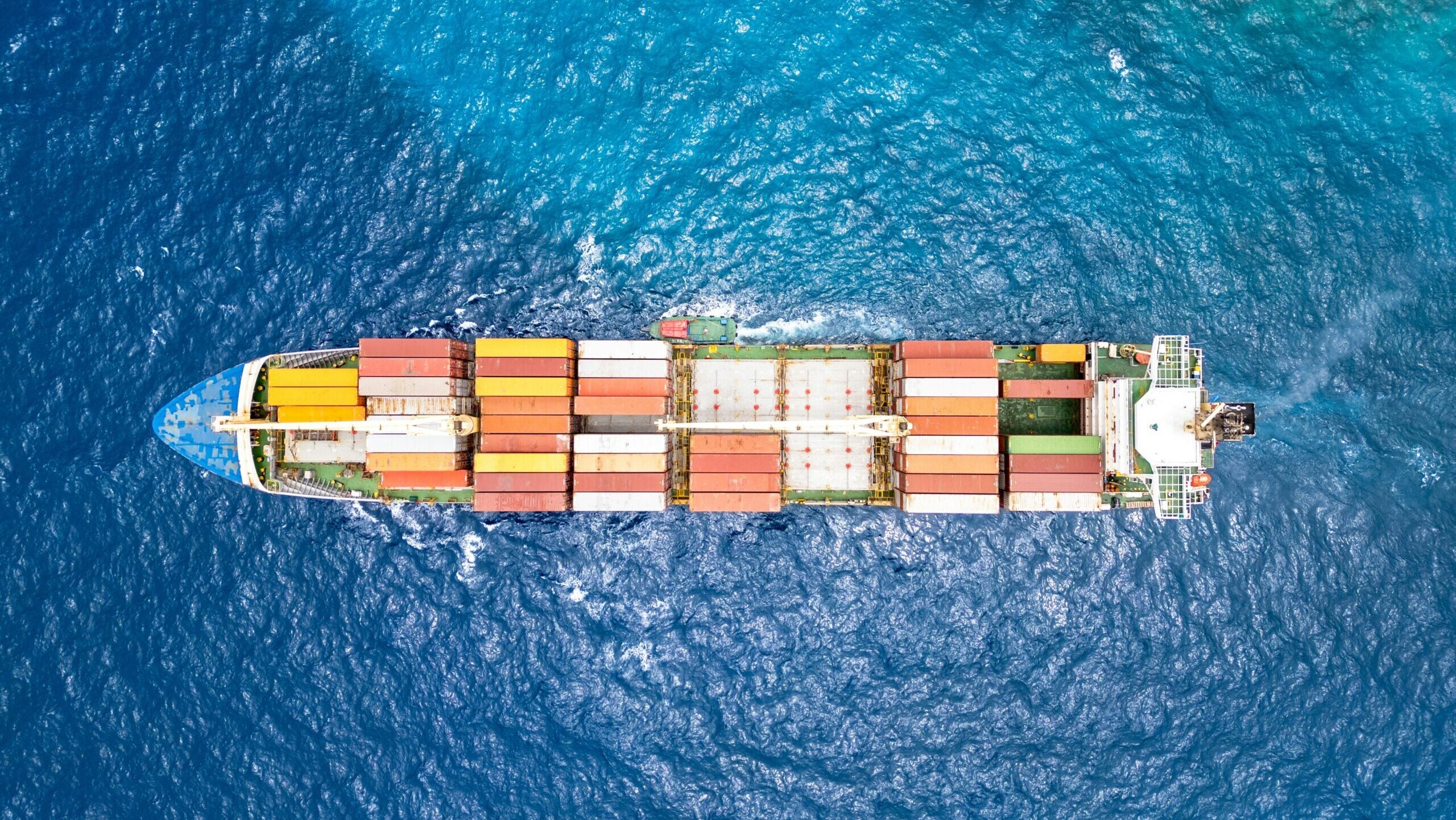
Taxing high-pollution imports could generate revenue, create a more even playing field for U.S. firms, and incentivize cleaner manufacturing globally.
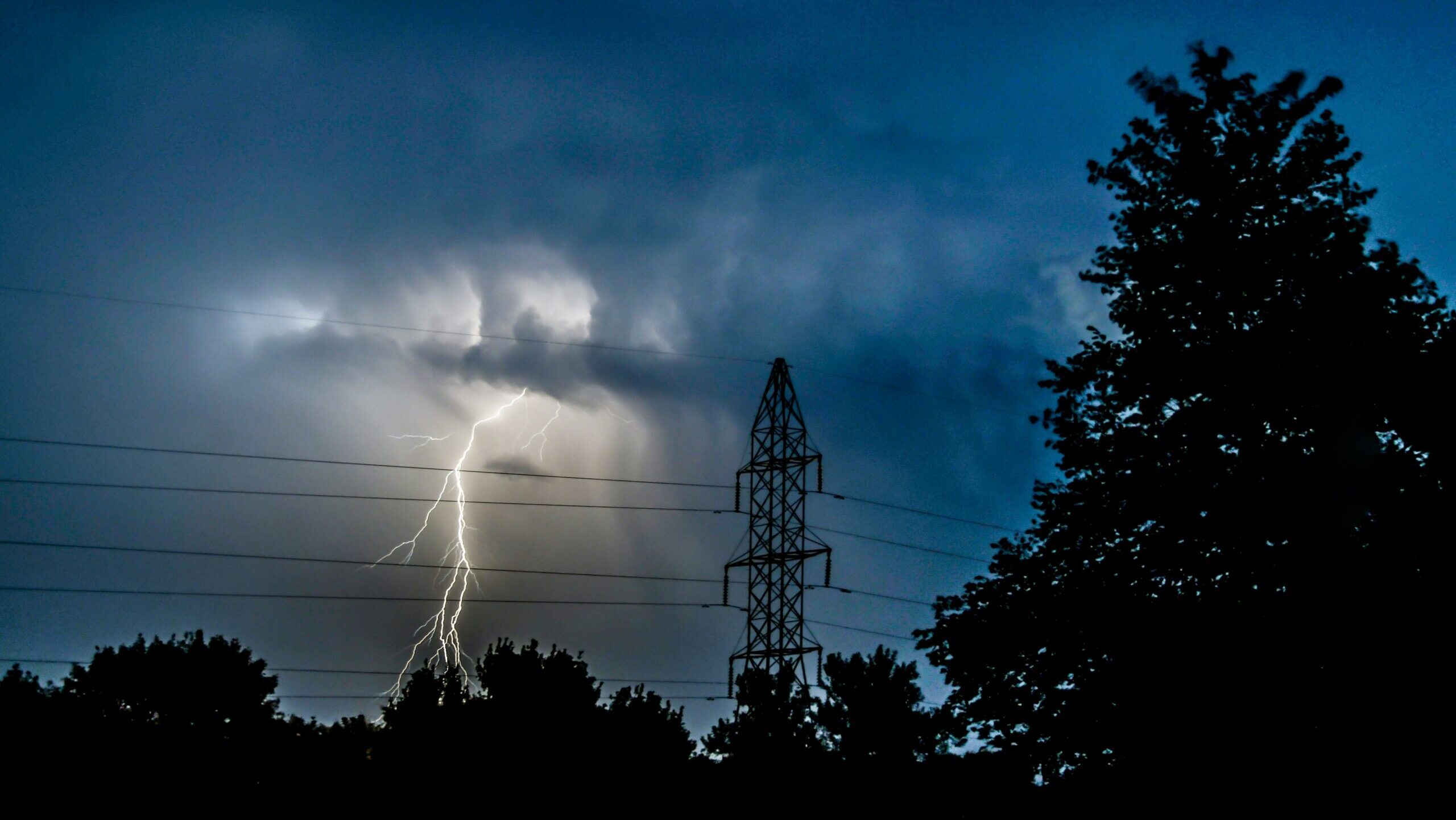
How extreme weather and AI-enabled cyber capabilities are creating the perfect storm to attack the power grid.
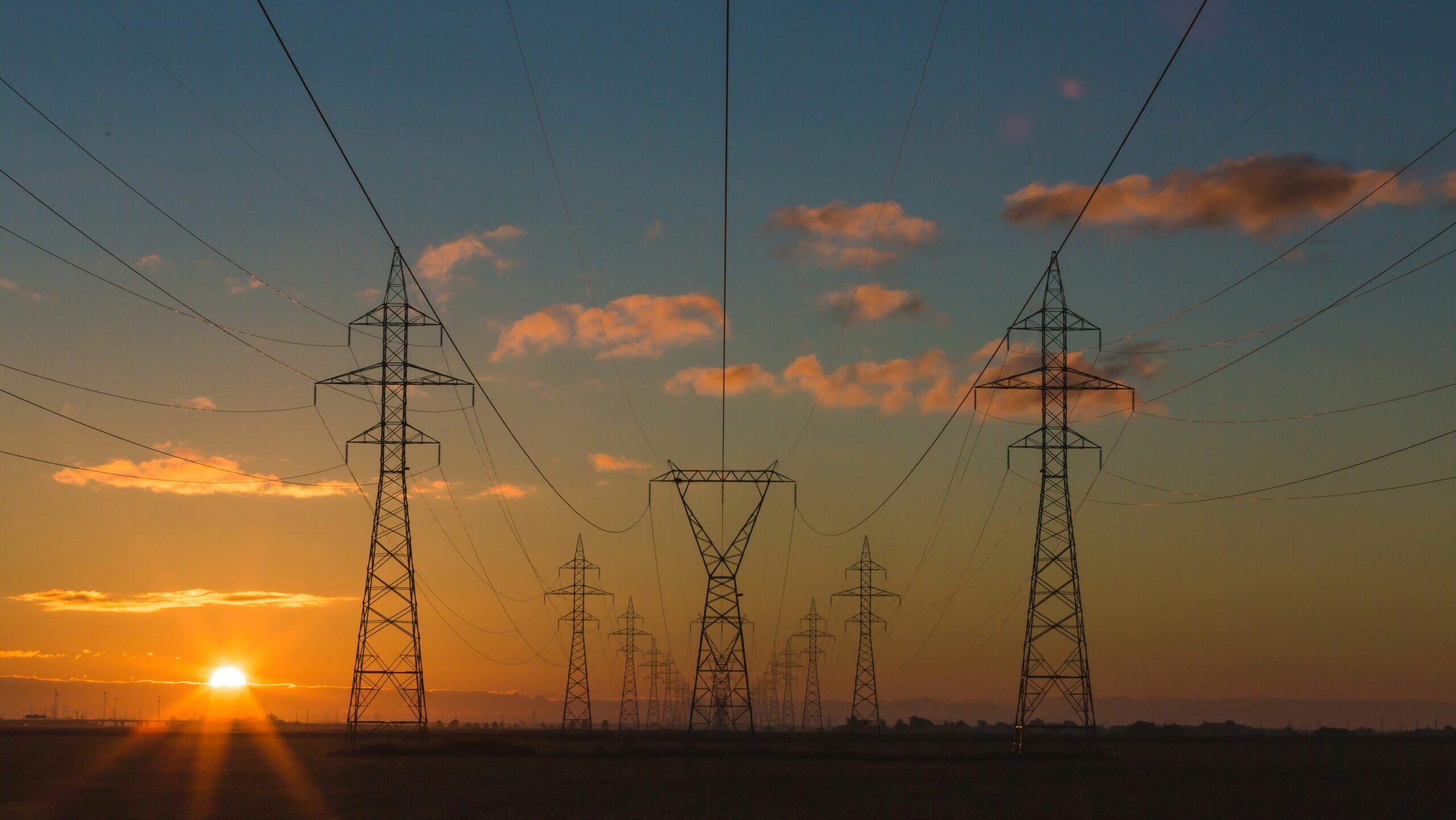
Historical climate conditions are becoming increasingly unreliable guides for future infrastructure planning.
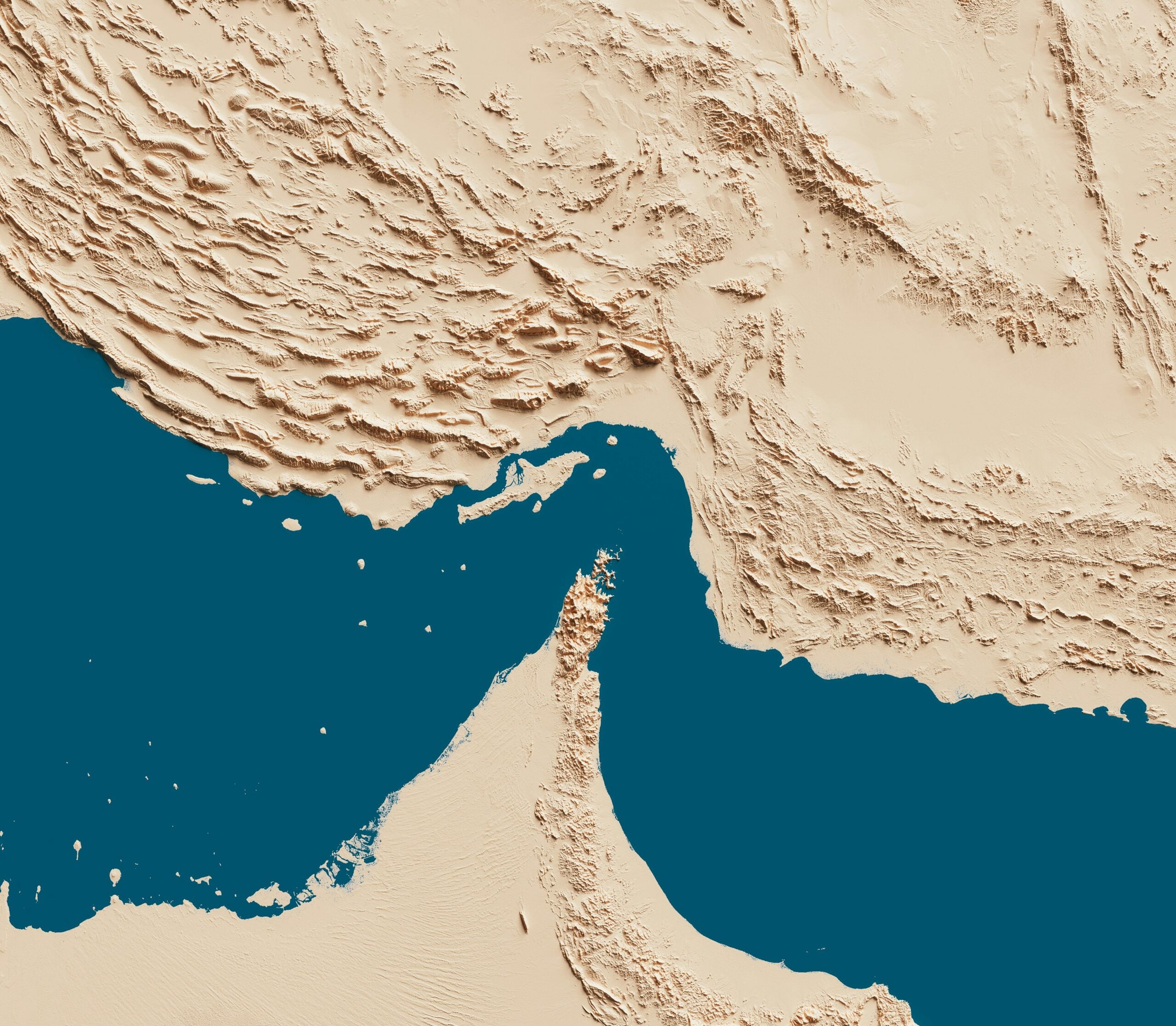
When conflict in one region triggers a hunger crisis thousands of miles away, peace depends on local science, local capacity, and partnerships.

Instead of extracting critical minerals from the seafloor to fuel batteries, we could reduce, reuse, and recycle batteries we already have.
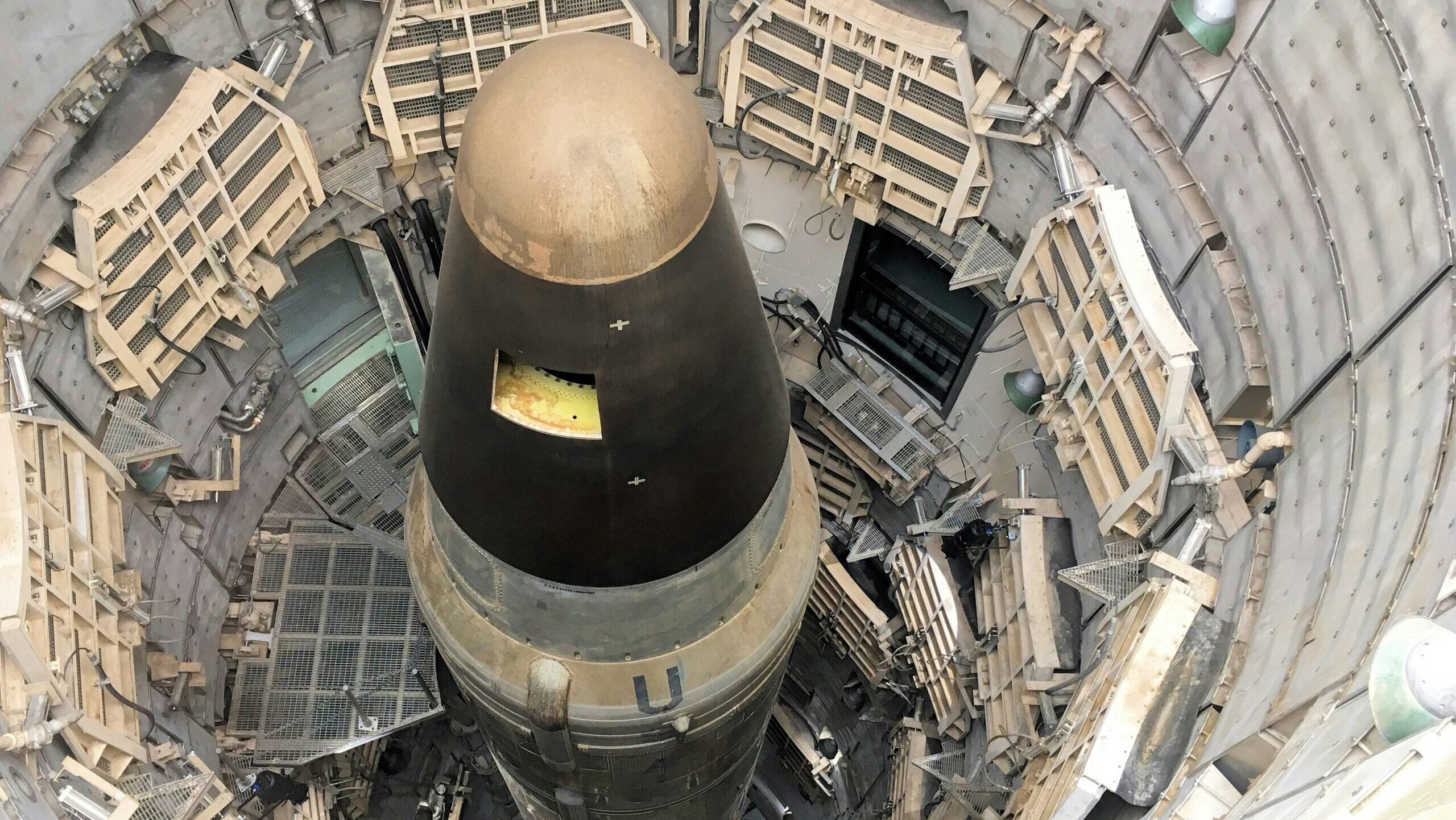
U.S. weapons technology depends on minerals, supply chains, and industrial capacity it does not control.
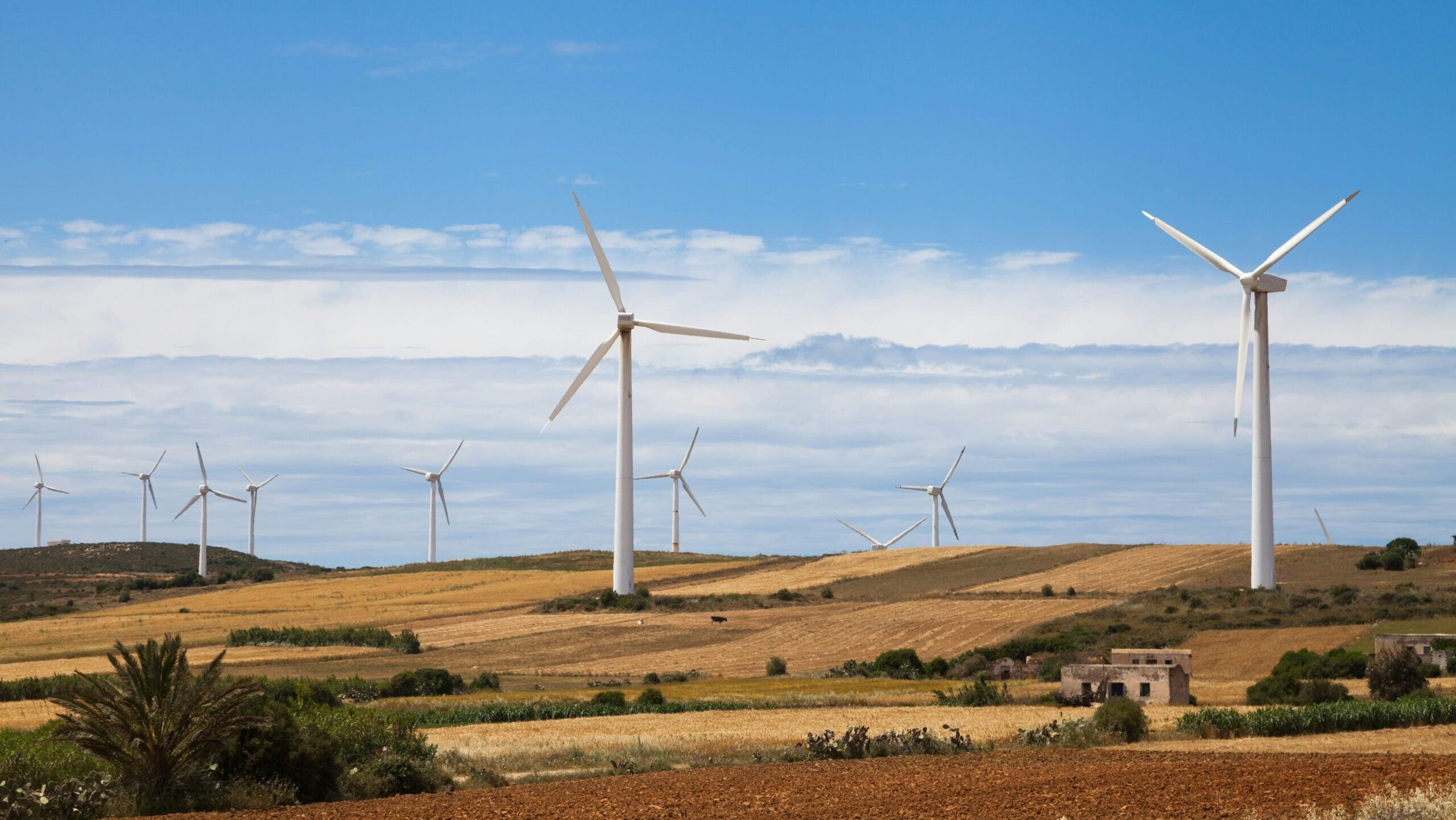
Many African countries may find opportunities for growth by investing in natural resources, energy access, and green jobs.
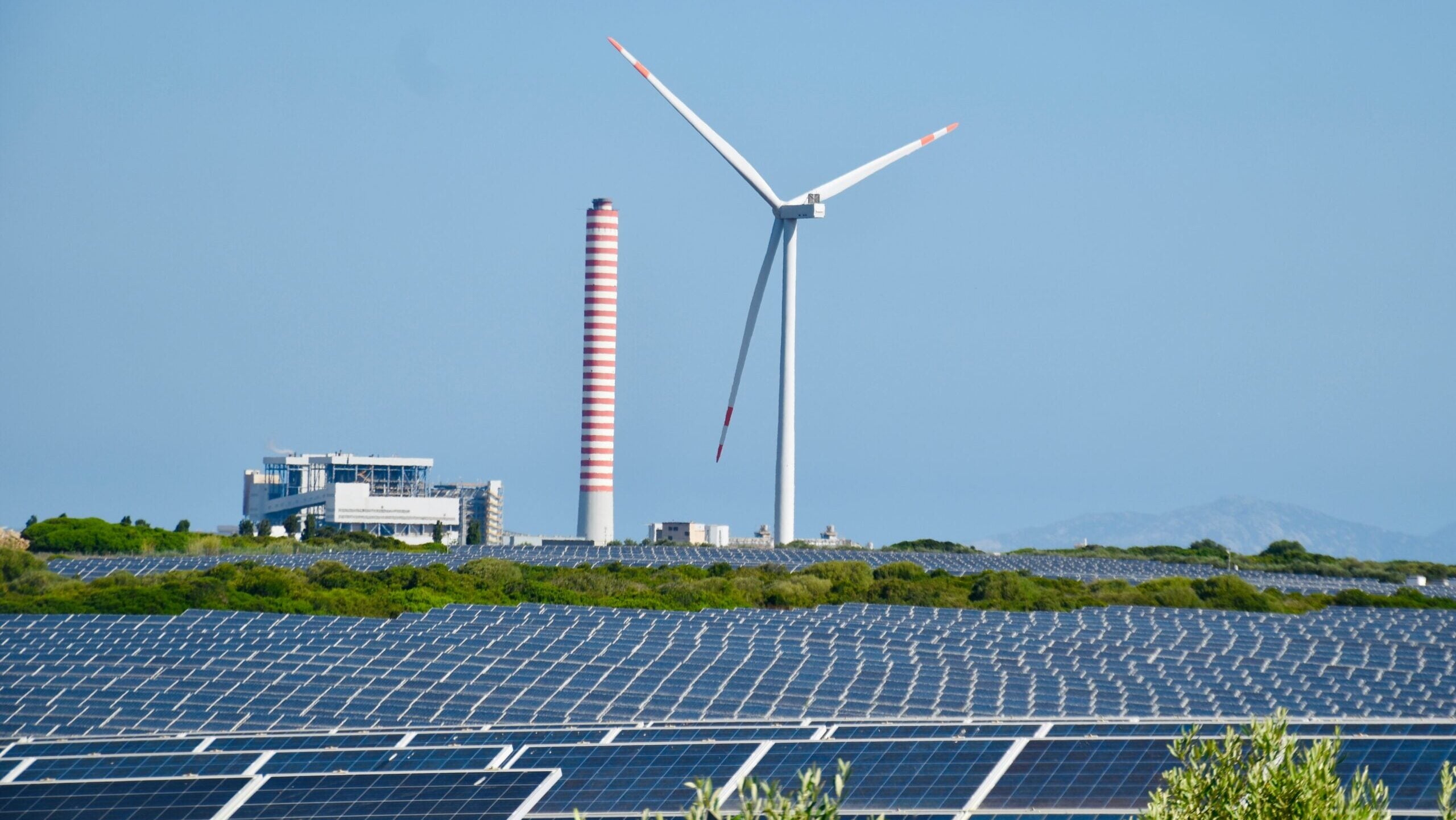
New forms of energy drove prosperity between 1880 and 1930, not tariffs and immigration restrictions.