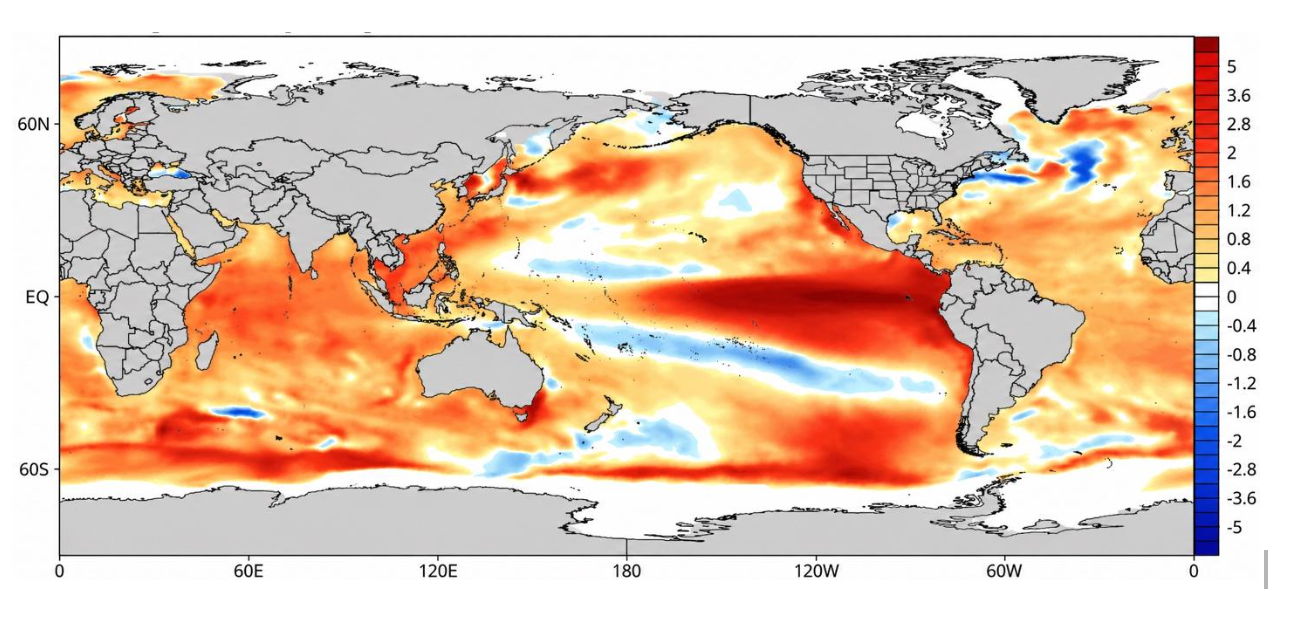
El Niño
How does El Niño reshape the ocean and, ultimately, the people and communities that depend on the ocean?
Flooding the Zone with Great Ideas

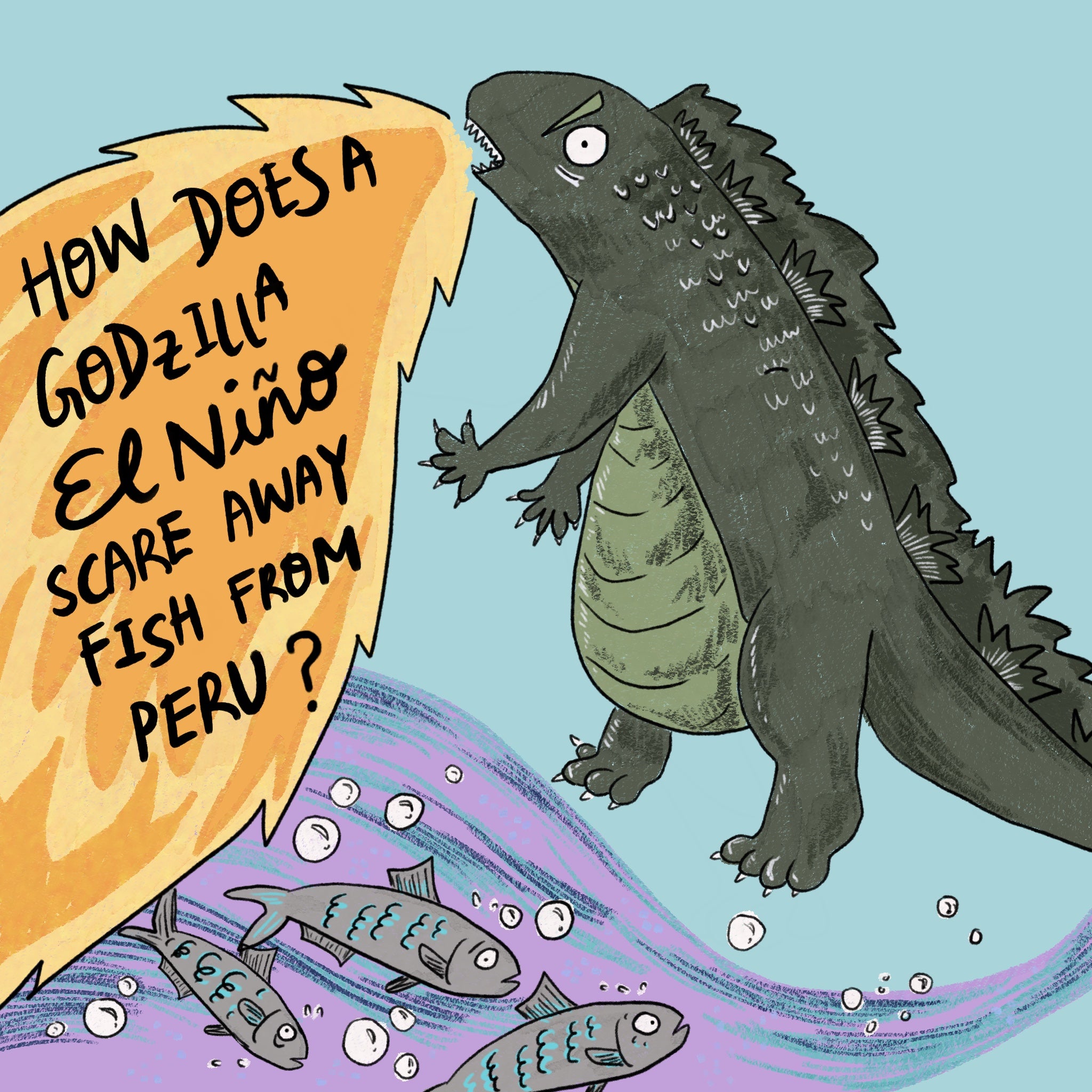
How does El Niño reshape the ocean and, ultimately, the people and communities that depend on the ocean?
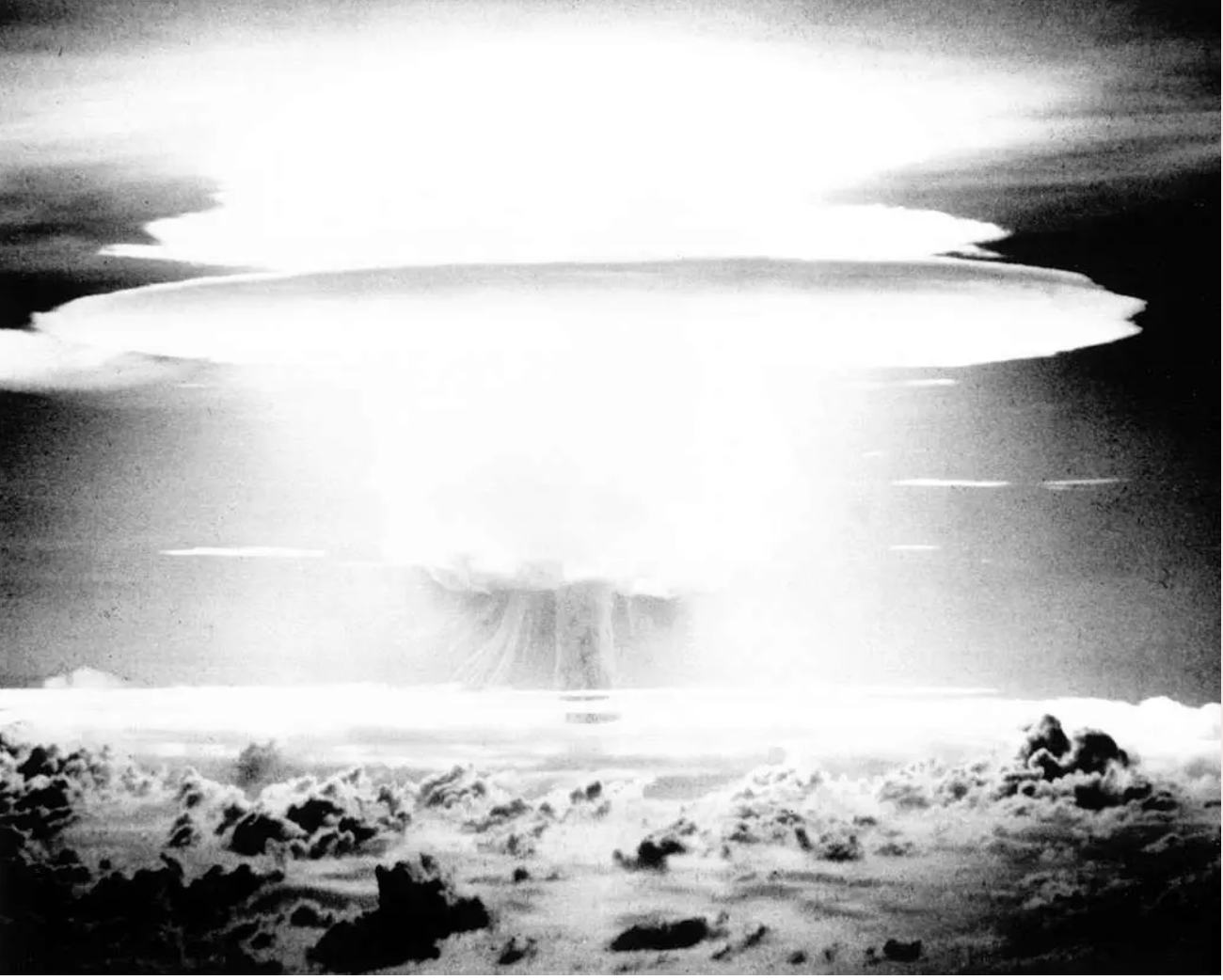
The story of a Japanese fishing vessel exposed to radiation made the threat of nuclear contamination feel personal for Americans in 1954. Can we learn a lesson from it today?
A column about how the everyday language we use to talk about science reveals — or conceals — what we believe.
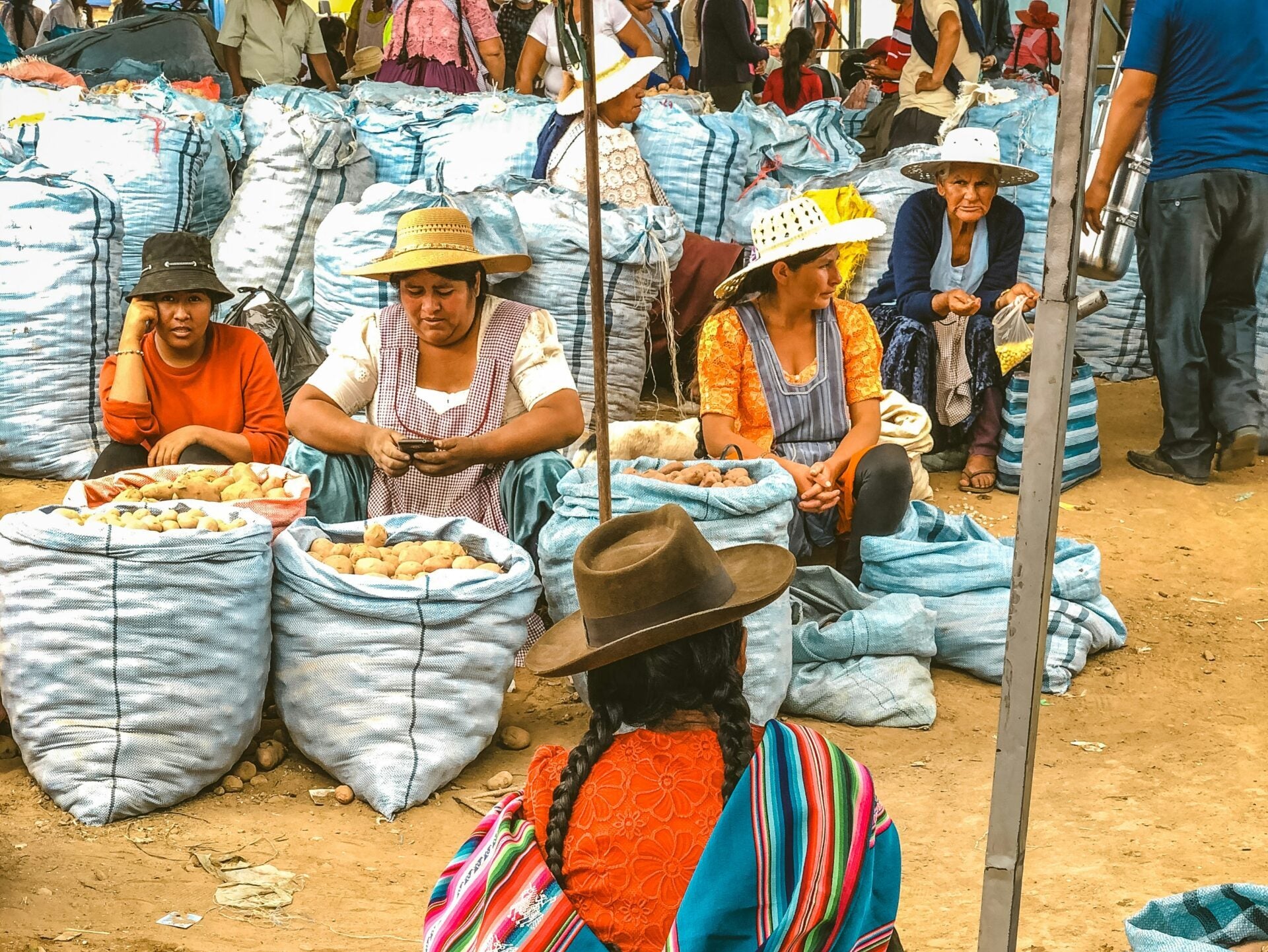
In Bolivia, many rural farmers resisted a reform that would seem to bring prosperity. Instead, Law 1720 would have made their land and livelihoods more precarious.
A Warning…
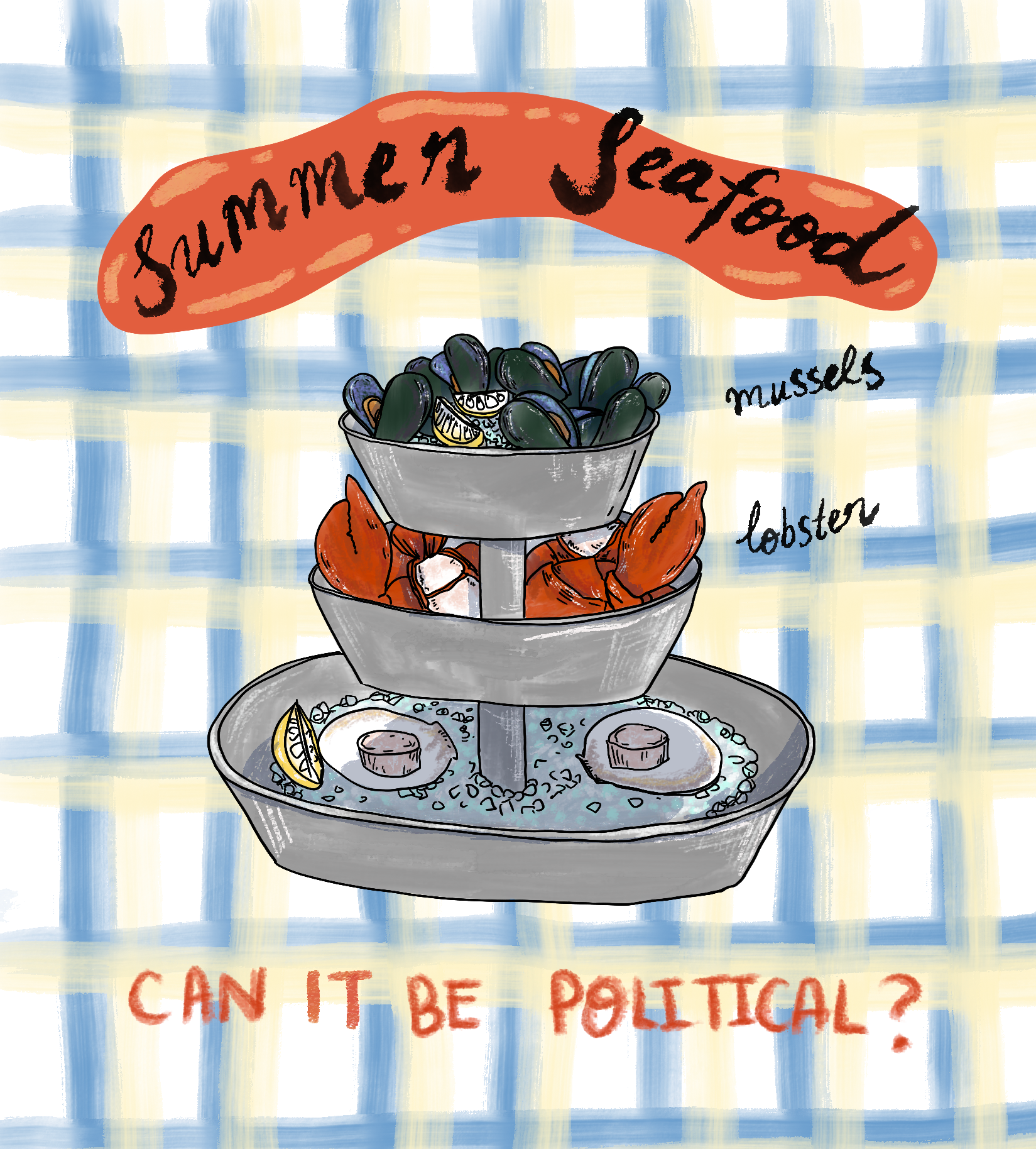
Can it be political?
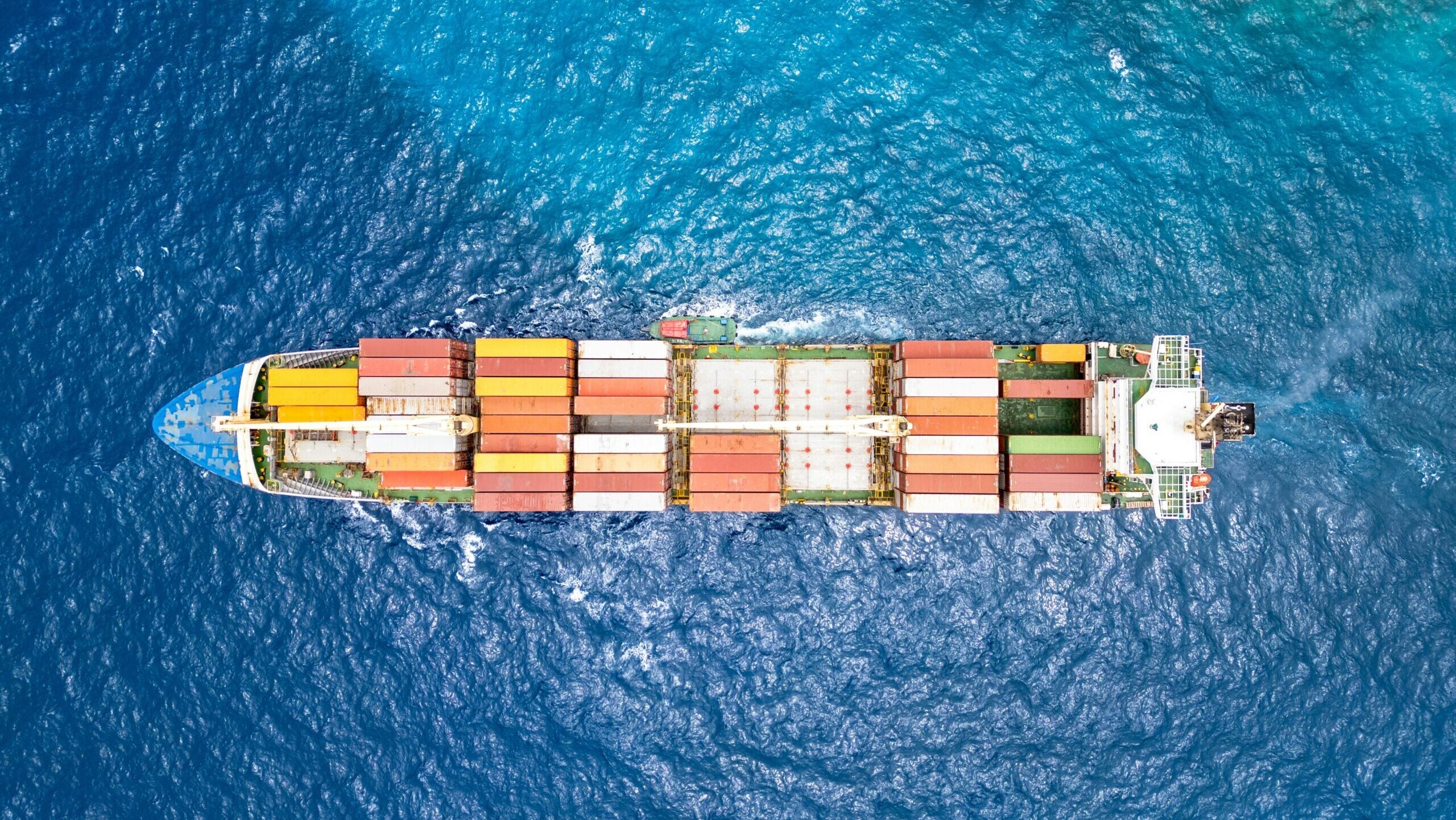
Taxing high-pollution imports could generate revenue, create a more even playing field for U.S. firms, and incentivize cleaner manufacturing globally.
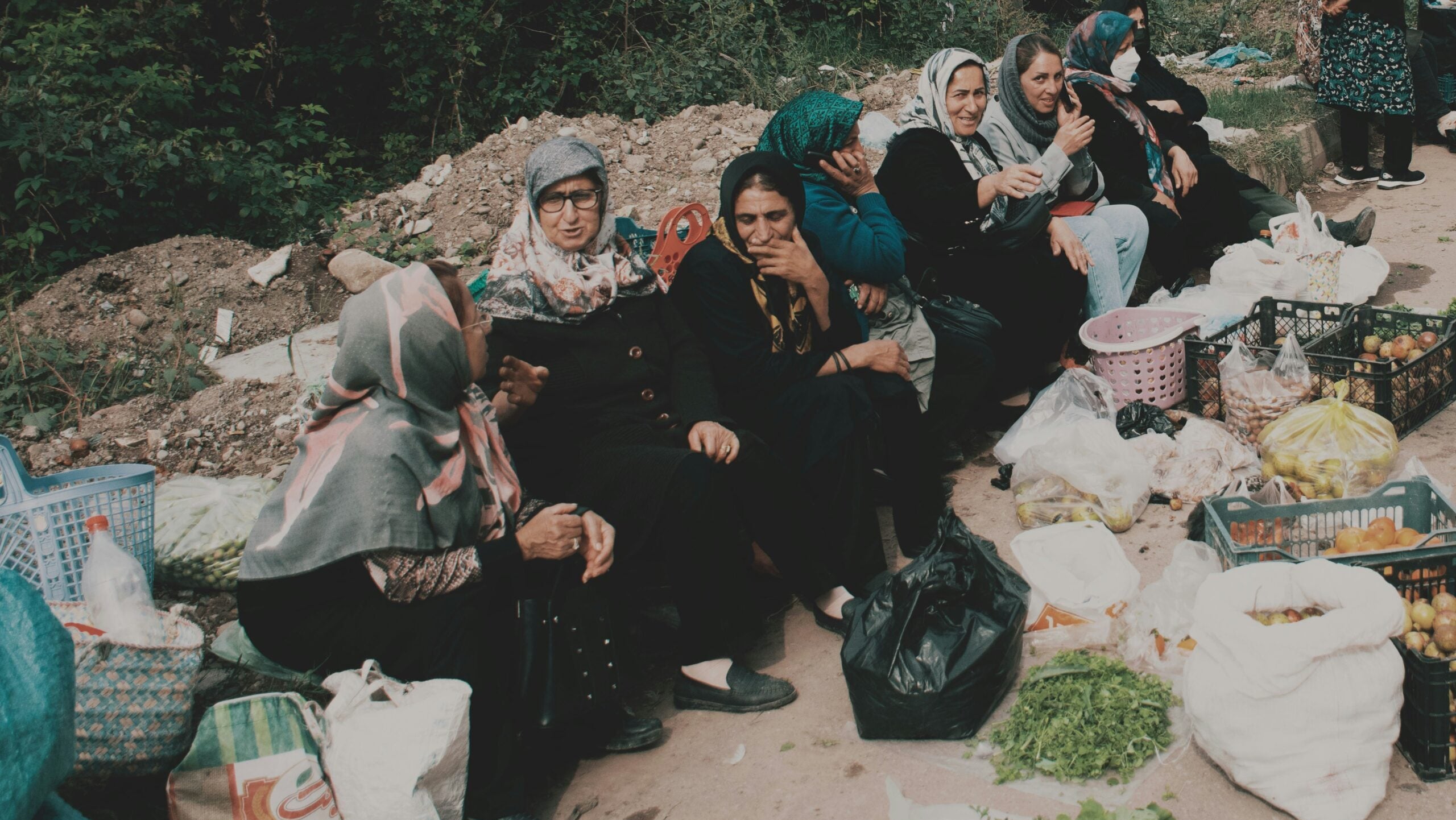
Women have stewarded food and water resources for generations. As climate change impacts our eating, policymakers should especially protect women and their ability to be creative and resourceful.
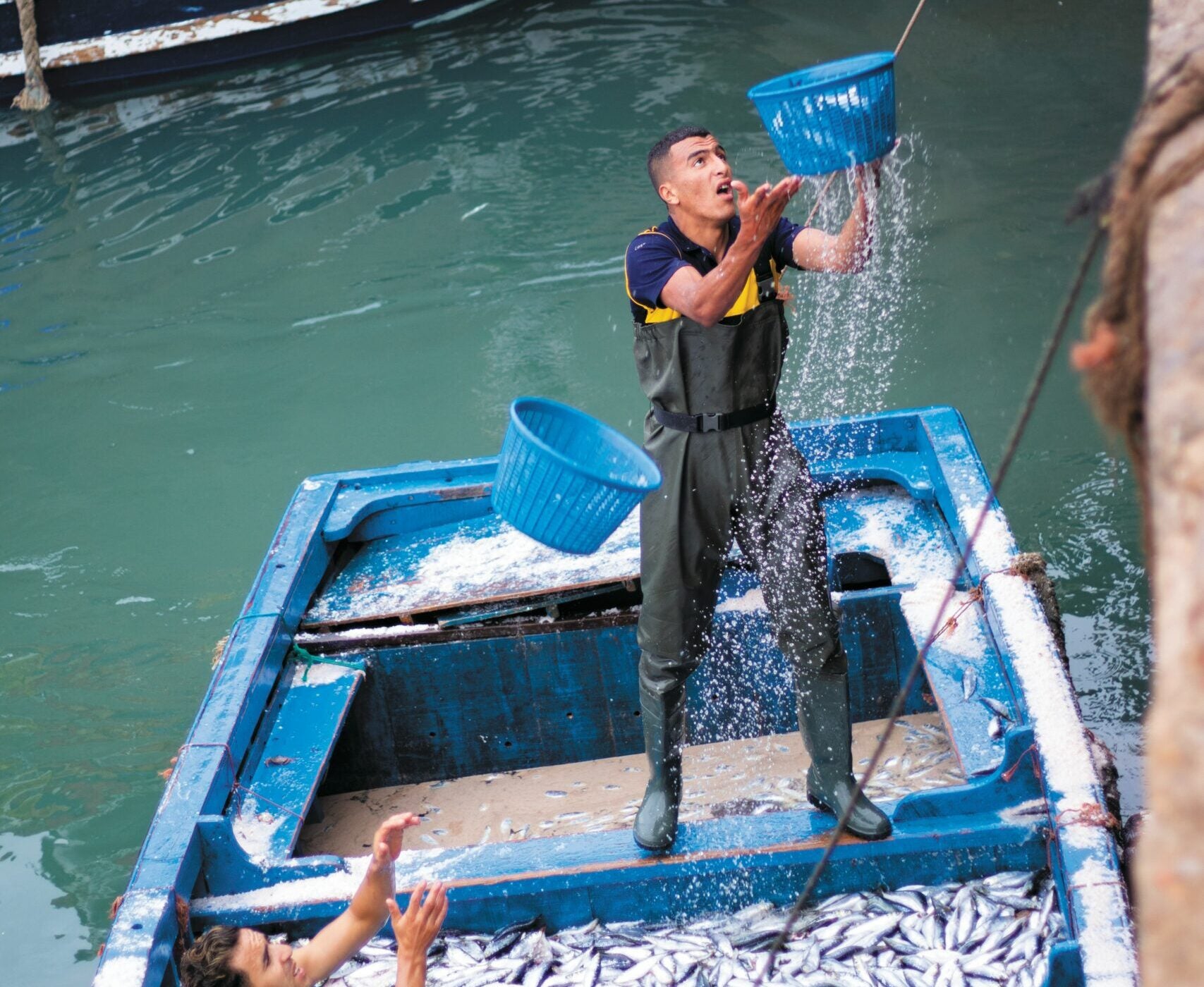
Better human rights protections at sea could reduce forced labor, human trafficking, debt bondage, and violence.
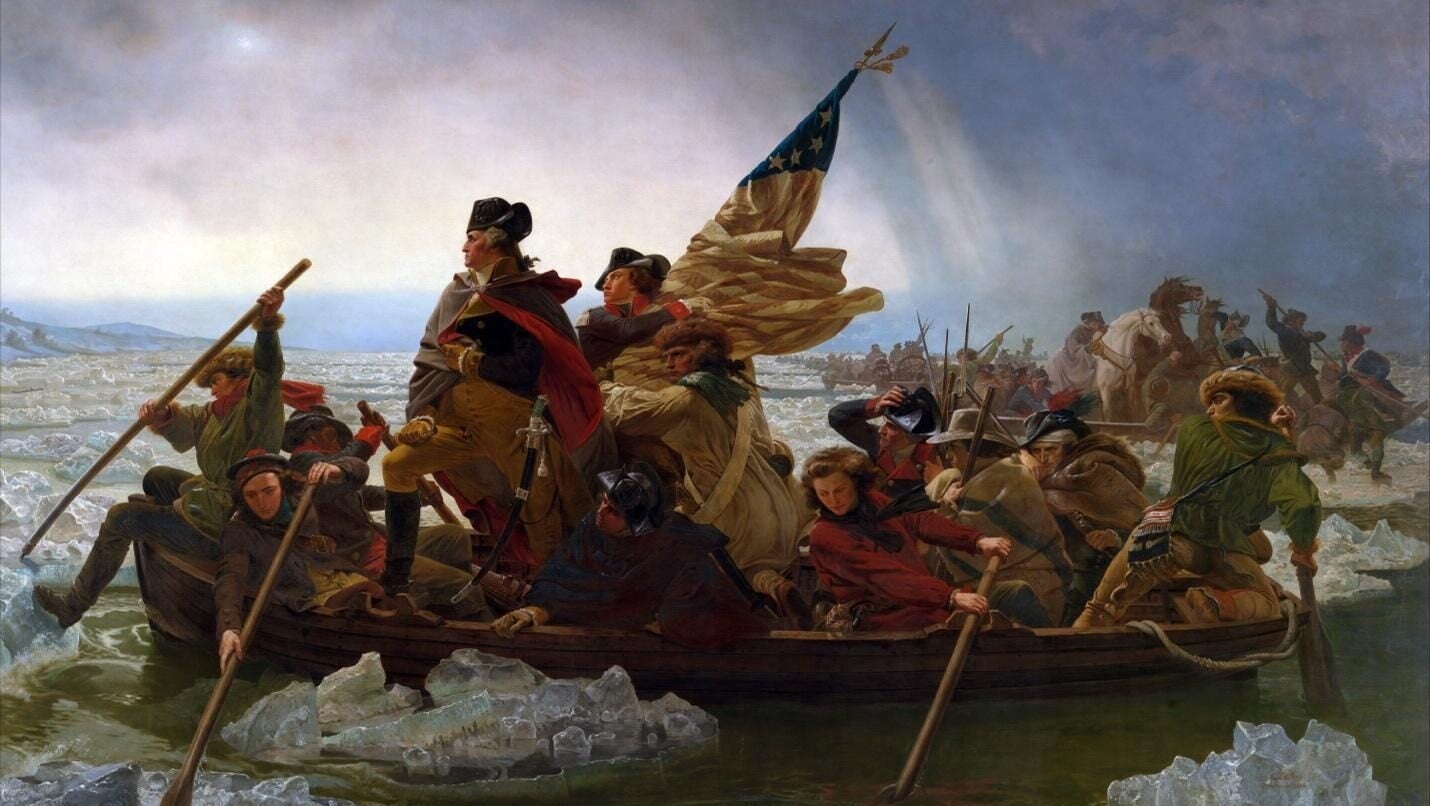
Cold, rain, drought, and warming have both helped and harmed Americans’ efforts at pivotal moments.